Compliance

To provide support during the Coronavirus pandemic, the government introduced a scheme to give money to self-employed people. This scheme is called the self-employed income support scheme (SEISS) and has so far provided four grants. The fifth, and currently final, grant opens for application this month.
When Can You Claim?
HMRC has not given a set date as to when people may begin making their claims. Instead, they are contacting people who are eligible via email with details. We believe this is being done in batches to avoid a large number of people applying at once, which was seen last year when the scheme was first introduced. The deadline to make your claim is 30 September 2021.
What Is Available?
Two separate grants are available:
The lower grant which is 30% of 3 months’ average trading profits (capped at £2,850)
The higher grant which is 80% of 3 months’ average trading profits (capped at £7,500)
This is a large difference and how much you are eligible for depends on how much your income has been affected during the 2020/21 tax year (April 2020 to April 2021). This will be decided by measuring how much your turnover has dropped from the 2019/20 tax year (“the reference year”) to the 2020/21 tax year.
To be eligible for the higher grant, your income must have dropped by more than 30%.
How Can You Claim?
You make your claim via the HMRC website.
You will need the following:
Your UTR Number
Your NI Number
Your Gateway ID and password
Your Bank Details (it must be a UK Bank)
What Will The Effect Be On Your Tax Return?
The SEISS grants are taxable. For our clients, this will mean that those who take the Grants will see a reduction in their tax refund. Some CIS subcontractors may even have to pay tax to HMRC at the end of the year.
However you will never be in a situation where your tax bill is higher than the Grant you receive, so, where eligible, it will always make financial sense to take the Grant. You may want to set some of the money aside to take care of any increase in your tax bill when the time comes.
Maximoor Year-Round Support
If you submitted your 2021 Tax Return with us, you will benefit from year-round support, dealing with HMRC enquires. Although we cannot make the claims for you, due to HMRC’s rules, we will be more than happy to work out what you are eligible for you and to calculate how much you are entitled to under the scheme.
The Criteria
If you meet the criteria of the fourth grant, and are still being affected by the pandemic, you meet the criteria for this grant.
You must:
have submitted your 2019/20 tax return by 2 March 2021
have traded in the 2019/20 and 2020/21 tax years
be currently traded but affected by coronavirus, or have been trading but were temporarily stopped due to COVID
intend to continue trading
have had no more than £50,000 in trading profits (turnover less expenses) in either the 2020 tax year or the average of the previous four tax years
have had your trading profits make up most of your income in either the 2020 tax year or the average of the previous four tax years
have traded in the 2019/20 and 2020/21 tax years
Further Rules
If you operate more than one business, you will need to combine the turnover of the businesses prior to doing the calculations.
If you had an accounting period longer or shorter than 12 months you will have to pro-rata your income accordingly prior to doing the calculations.
If in 2019/20 your income was lower than usual, because of long-term sickness, you can use 2018/19 as your reference year.
If you were a member of a partnership, whilst also operating a business you will need to account for the partnerships turnover in your calculations by taking your percentage share of the profits and applying that percentage to the turnover.

About Maximoor
Compliance
Late tax returns mean penalties from HMRC — and they add up fast. Here's what happens if you miss the deadline and how to avoid the fines.
Read More
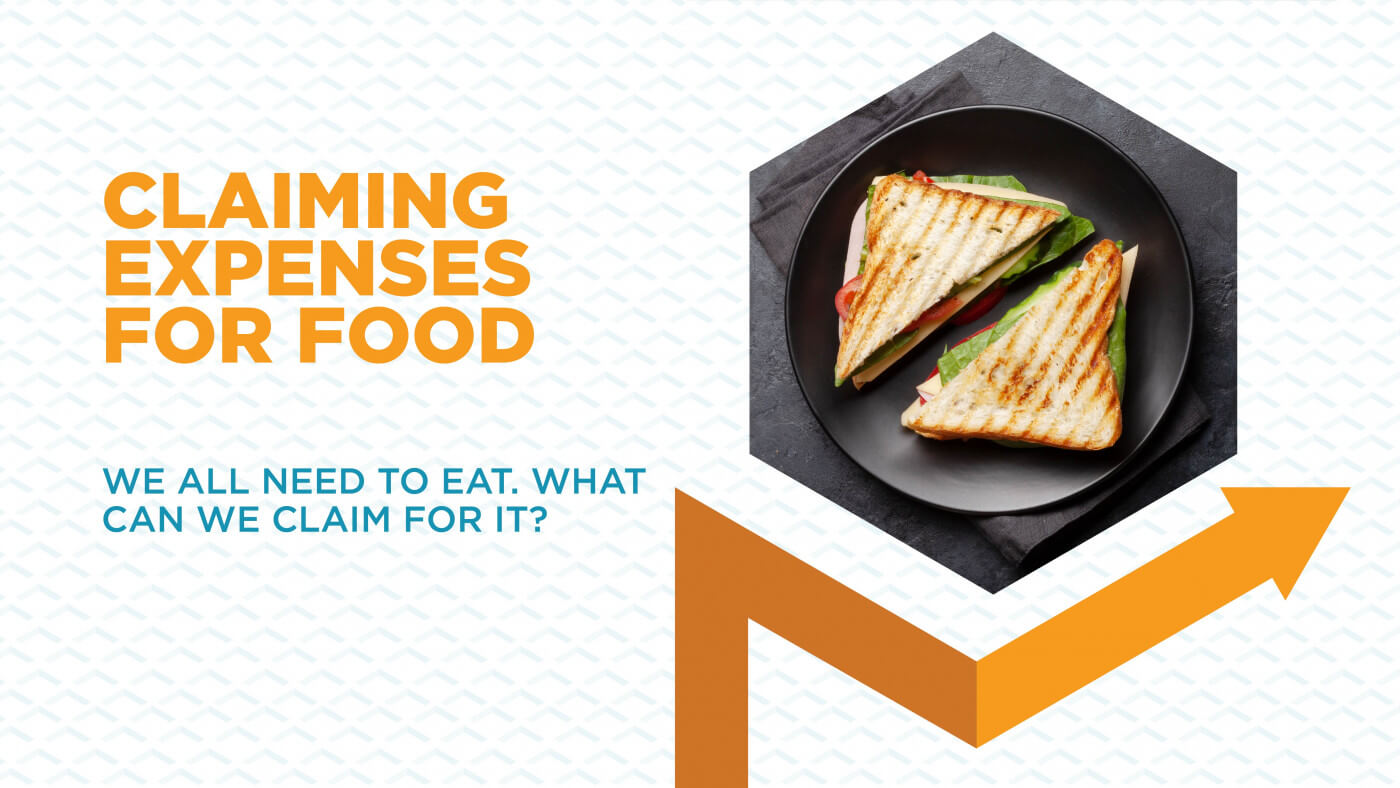
Tax Tips
Can you claim tax relief on food and meals? We break down the rules for construction workers and tradespeople — what qualifies and what doesn't.
Read More
Compliance
HMRC scams are increasingly common. Learn how to spot fake texts, emails, and phone calls from fraudsters pretending to be the taxman.
Read More