Tax Tips
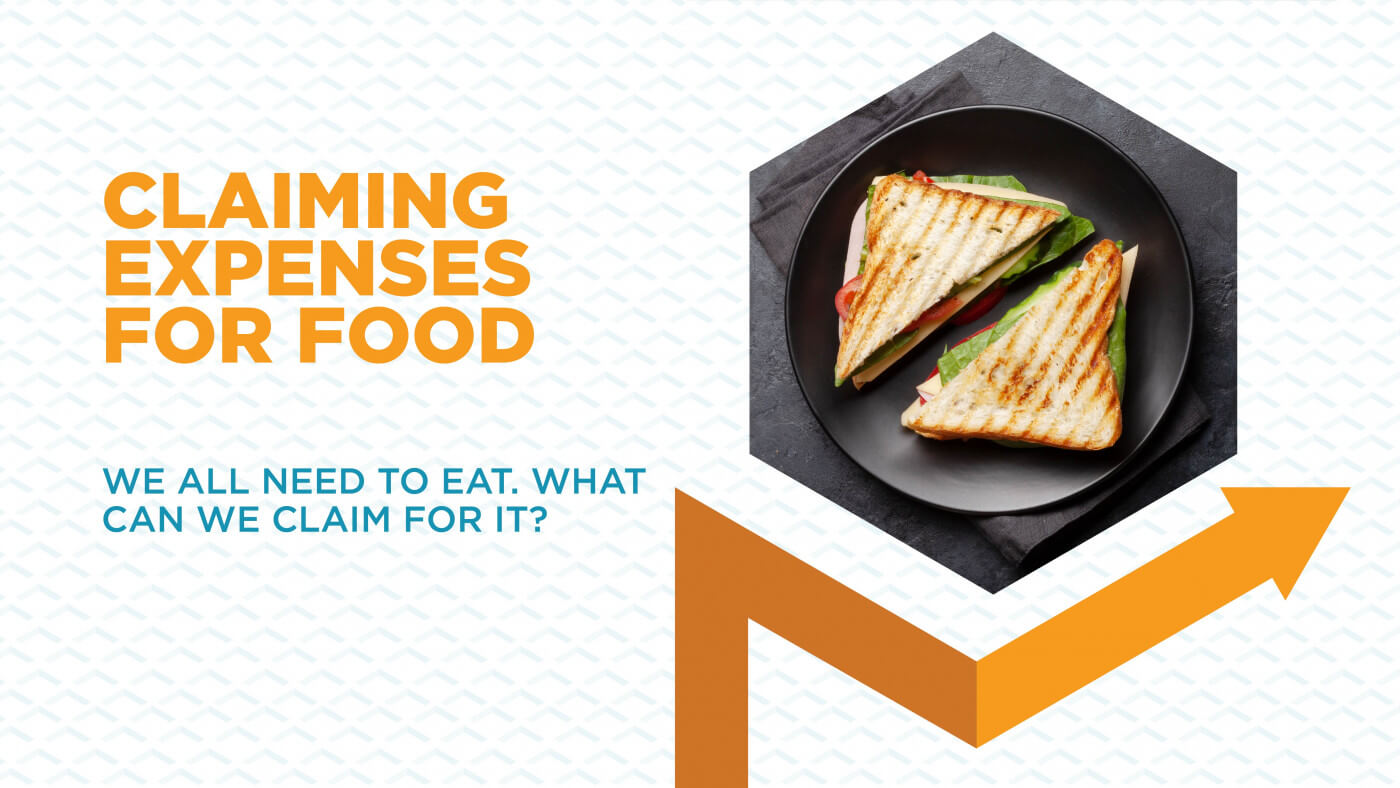
Every taxpayer wishes to maximise the expenses they are able to claim to reduce their tax bill. This is reflected in our name: Maximoor! A common question we are asked is whether a claim can be made for the cost of food and drink consumed whilst at work. In this post, we explain what expenses can be claimed for food.
As with most areas of tax, rules are different for those who are employed, self-employed and for limited companies, so just skip to the section that applies to you.
Employed
The rules for whether employees can deduct food expenses (known formally as “subsistence” expenses) are tied to the rules for travel expenses. In short, if you are an employee is traveling to a ”temporary workplace” (usually a place were an employee will work for less than 24 months) for a temporary reason (usually this is referred to as a “task of limited duration”) the cost of traveling to and from your workplace is an allowable expense which can be claimed to reduce your tax bill.
If the cost of travel is allowable, so is the cost of the associated food expenses. There is no strict limit as to how much you can claim for. The law only states that the cost must be incurred necessarily and in the course of the journey (so purchased whilst you were making journey, rather than pre-prepared and taken with you).
It is important to note that a cost being “necessary” only relates to the nature of the expense, not the scale or the amount. If a taxpayer opts for a £30 meal over a £10 meal, the full £30 cost is deductible, even if the £10 meal would have been just as filling!
Self-Employed
Food expenses are one of the few areas where it is potentially more difficult for a self-employed person to make a claim than it is for an employee. As with employees, the food expense is only allowable when tied with allowable travel. For those self-employed, travel costs are generally allowable where your travel is not “regular and predictable”.
In addition to the travel costs being allowable, for food costs to be allowable, the travel (for this specific journey) must be no more than occasional unless the taxpayer’s trade is one where they travel to a number of different locations for a temporary purpose (this is known as an “itinerant” trade).
Unlike employees, for those self-employed there is a condition that the expenses have to be “reasonable”. There is not clear definition on what that means, so it is open to interpretation.
Limited Companies
Rules for Limited Companies are more complicated and cannot be summarised in a simple blog post. In general, where an expense would be allowable for an employee to claim themselves, the cost of reimbursement for that expense is tax exempt, so it is not subject to Income Tax. If you are a Director of a limited company, your food expenses would typically be dealt with under the rules for employees.
Staff parties/events, standard rate allowances, staff canteens and other schemes are all dealt with differently and rules can vary based on circumstance. Should any of our clients need specialised advice, just speak to your dedicated rep.
Your Claim
Of course, as with all tax rules, there are exceptions and complications. If you would like to make a claim and have your exact circumstances reviewed to consider what you are entitled to, get in touch.

About Maximoor
Compliance
Late tax returns mean penalties from HMRC — and they add up fast. Here's what happens if you miss the deadline and how to avoid the fines.
Read More
Tax Tips
Can you claim tax relief on food and meals? We break down the rules for construction workers and tradespeople — what qualifies and what doesn't.
Read More
Compliance
HMRC scams are increasingly common. Learn how to spot fake texts, emails, and phone calls from fraudsters pretending to be the taxman.
Read More